a 'steampunk' history of 19th century Jamaica
  • before
    • - pages started
    • blog
    • links
  • at sea
    • - paddle-wheel steamers
    • - screw-propeller steamers
  • on land
    • - mining >
      • - copper
    • - iron structures >
      • - the iron bridge >
        • 1799 act
      • - the Naval Hospital
      • - the Morant Point Lighthouse
      • - the iron church
    • - the railway
    • - on the roads >
      • - traction engines
      • - bicycles
      • - steam rollers
      • - horseless carriages >
        • - on the motor car
      • - street cars
  • 'up in the air'
    • - ballooning and beyond
    • - telecommunications >
      • - telegraph >
        • Admiral's Pen
        • - early electric telegraph
        • - international telegraph
        • - island-wide telegraph
      • - telephone >
        • - acoustic telephones
        • - the Jamaica Telephone Company I >
          • who was C Lambdin?
          • - Hodge's 'Kiosk'
        • - the Jamaica Telephone Company II >
          • - some of the investors
  • light and power
    • - the old >
      • - candles
      • - water
      • - wind
    • - the new >
      • - kerosene
      • - gas
      • - electricity
  • entertainment
    • - merry-go-rounds
    • - image technology >
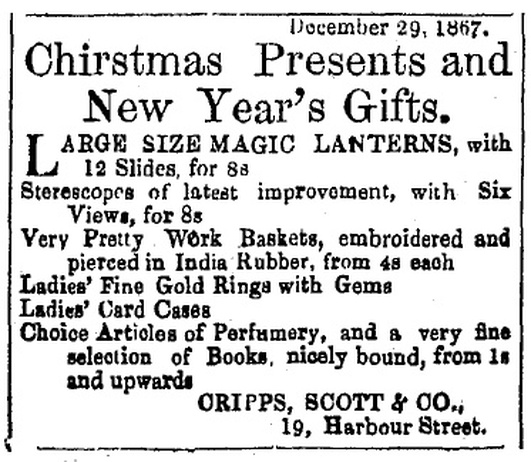
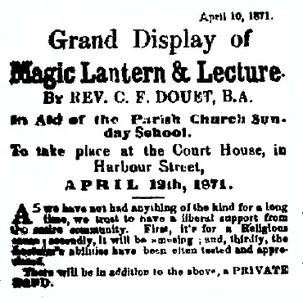
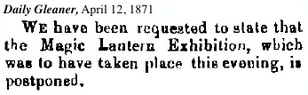
      • - magic lanterns
      • - panoramas >
        • - the 'Panorama'
        • - panopticons
      • - transparencies
      • - photography >
        • F. A. Freeman
        • O. & E. Bavastro
        • J. B Valdés
      • - kinetoscope
    • - sound technology >
      • - melodeons & such
      • - 'music boxes'
      • - Edison phonograph 1878
      • boobies eggs
      • - the phonograph continued
    • - toys >
      • - Pharoah's Serpents
      • - games & puzzles
  • at home & work
    • - agriculture >
      • - Mountain Cabbage
      • - silk >
        • 'Mulberry Mania' USA >
          • Samuel Whitmarsh
        • and in Jamaica
      • - and cotton
      • - ramie
      • - pimento sticks
      • - bitterwood >
        • bibliography
    • - turtle industries
    • - clothing >
      • Edmiston & Son
    • - ice
    • - the Etna and other such devices >
      • - 'London Society', vol 14, 1868
    • - matches
    • - the sewing machine >
      • - 'London Society', vol 15, 1869
    • - typewriters & other office equipment >
      • Lithograms
      • 'Cyclopaedia of Useful Arts'
    • - food & drink >
      • - baking bread
      • - boobies eggs
      • - liquid refreshment >
        • Arctic Soda Water Apparatus
    • - soap
    • - tobacco indusry
    • - washing machines
    • research >
      • visiting researchers >
        • from Johns Hopkins >
          • New Brighton
          • 'Columbus Marine Biological Station'
      • medical research >
        • - vaccination >
          • a treatise on the cow-pox
          • - Minot Digest, Vaccination Laws
entertainment >
image technology >
Picture


magic lanterns

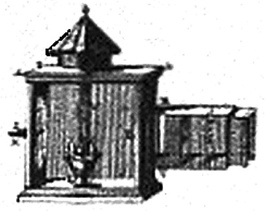
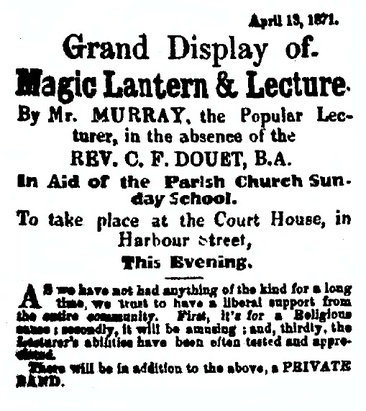
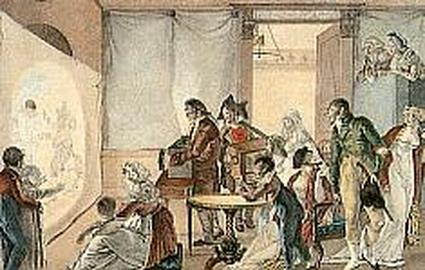
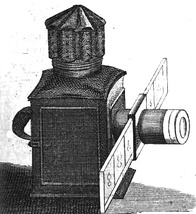
      The earliest references to a magic lantern in Jamaica that I have found so far are in the Diary of Thomas Thistlewood. According to Professor Douglas Hall’s survey of the Diary, In Miserable Slavery, Thistlewood received his ‘Magic Lanthorn’ in January 1764; there appears to be no reference to any slides arriving at the same time, but these must have existed for him to be able to put on his ‘Magic Lanthorn’ show. He mentions this show on several occasions, and clearly he must often have put it on for visitors.
Picture
Magic Lantern ca. 1772
Picture
early 'magic lanthorn'
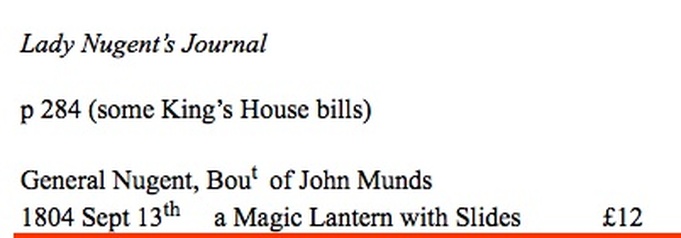
      The next reference that I have found is in the Appendix to Philip Wright's edition of Lady Nugent’s Journal, in which it is recorded that the Governor, General Nugent, paid £12 to John Munds for a Magic Lantern with slides, on September 13, 1804. There does not seem to be any reference to a magic lantern show being put on for the Governor’s family and guests!
Picture
Picture
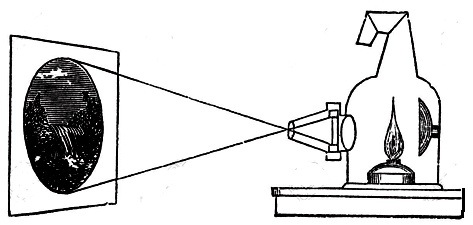
how the early magic 'lanthorns' worked
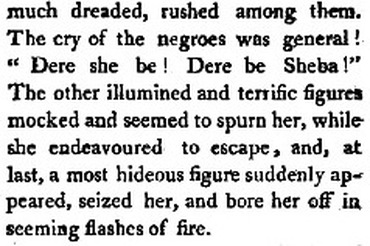
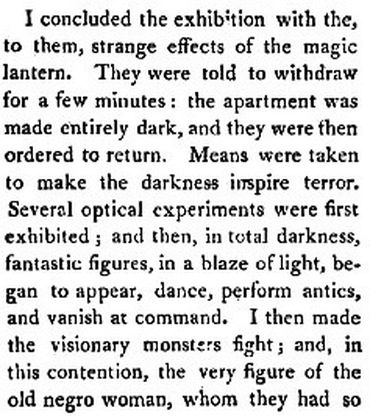
        The account below, from Memoirs of Bryan Perdue: A Novel, (Volume 2), by Thomas Holcroft, published in 1805, seems likely to be based on earlier accounts of introducing Black Jamaicans, presumably slaves, to the magic lantern, as an indication of the Whites' technological powers -
Picture
Picture
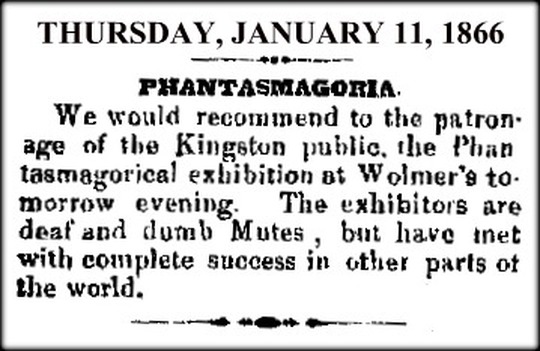
      The presentation seems to resemble pretty closely the 'Phantasmagoria' presentations in later 18th century France, which were calculated to scare the wits out of the audience. More about the 'Phantasmagoria' further on.
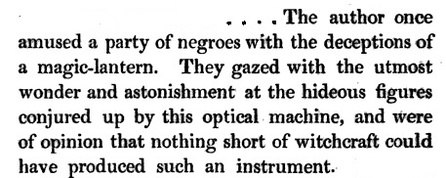
      In his book A View of the Past and Present State of the Island of Jamaica: With Remarks on the Moral and Physical Condition of the Slaves, and on the Abolition of Slavery in the Colonies, John Stewart wrote, in 1823, of what seems a similar event -
Picture
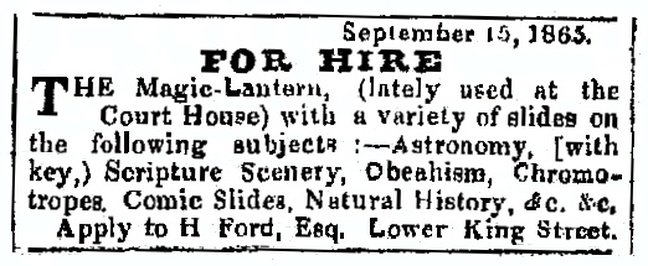
. . . .  an indication, perhaps, of the continuity of the use of the Magic-Lantern -
Picture
Picture
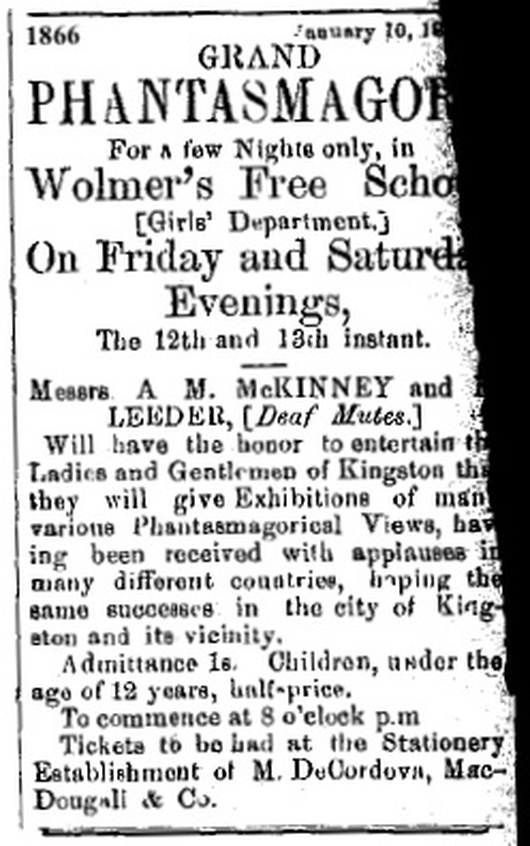
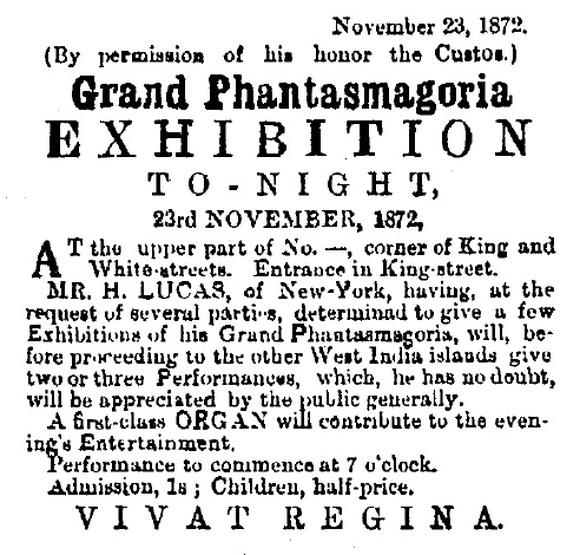
Phantasmagoria -
Picture
Picture
Picture
Picture
Picture
Picture
Picture
Picture
Picture
Picture
Picture
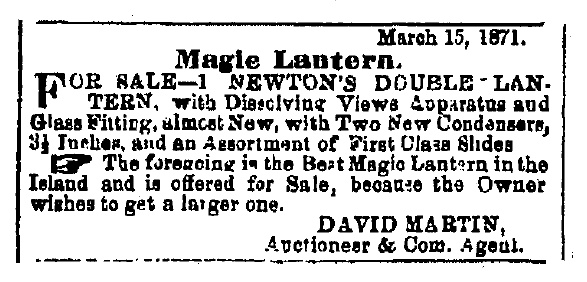
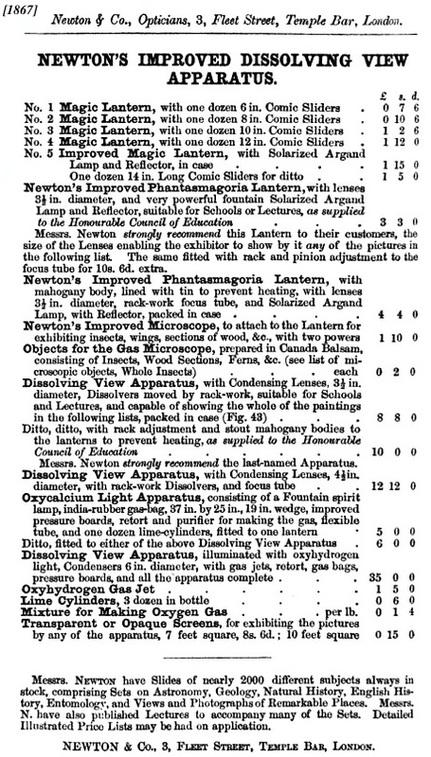
Dissolving views -
Picture
Picture
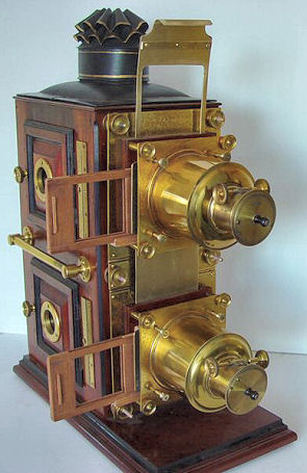
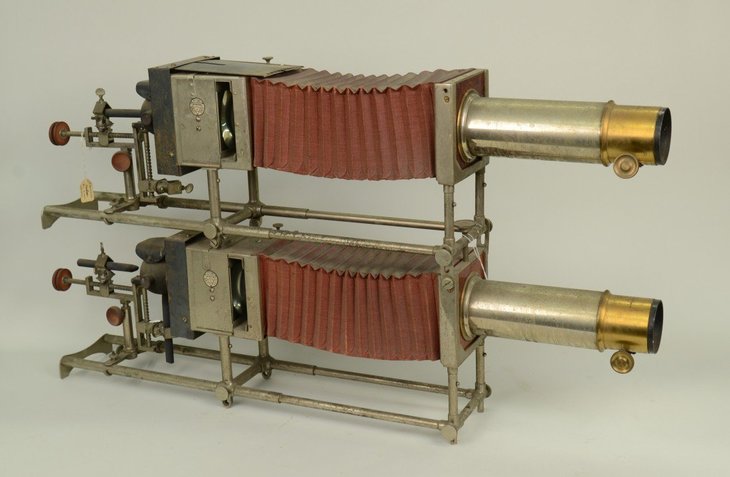
[this may not be a Newton lantern, but it is some similar double/biunial lantern.]
Picture
Picture
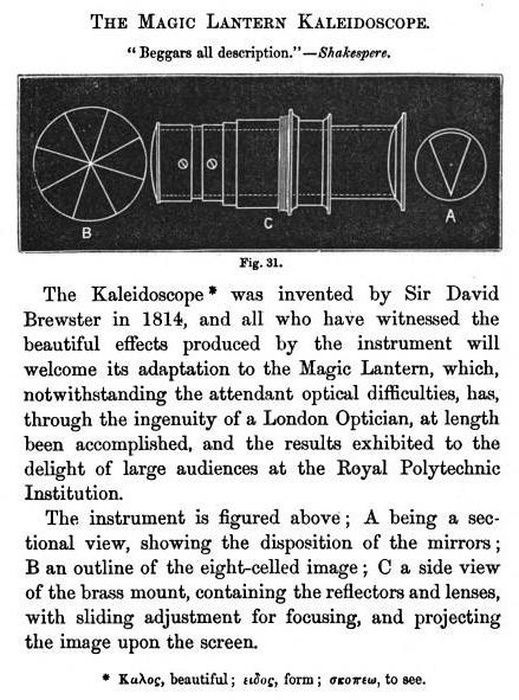
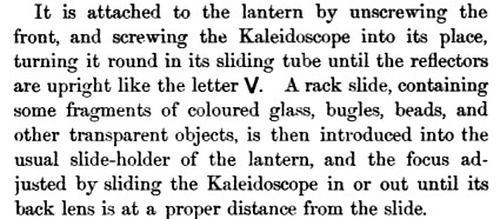
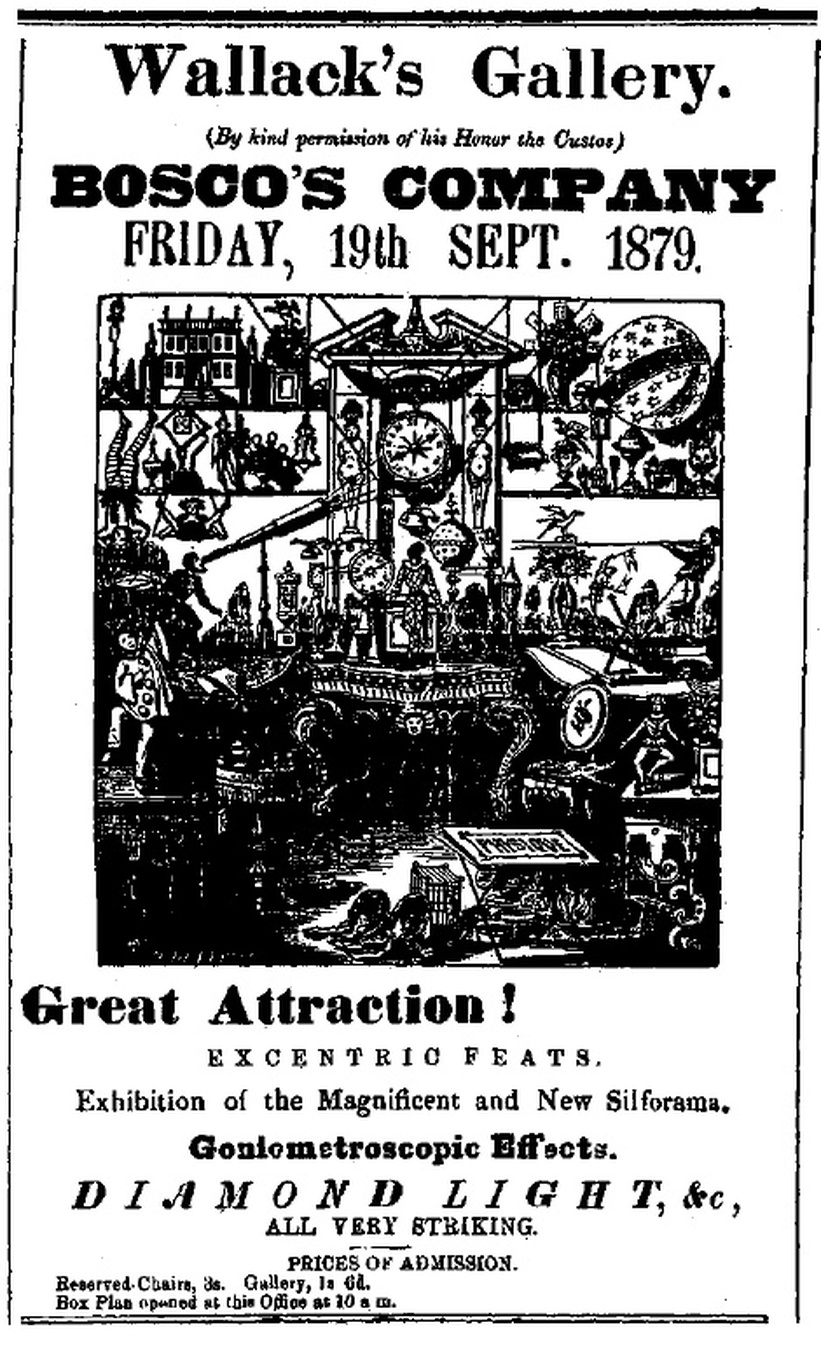
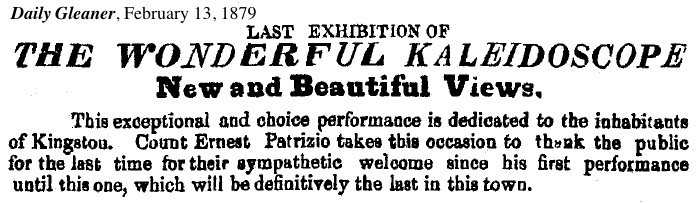
      In January and February 1879 Count Patrizio, a well=known conjurer/magician, visited Jamaica, giving performances around the island. I can find no account of the 'exhibition of the wonderful kaleidoscope' so cannot say what exactly the technology was! It may possibly have been something similar to the magic lantern kaleidoscope described as being developed some years earlier. However, the account of Patrizio's first appearance reports - '. . . the entertainment very agreeably concluded by a series of beautiful dissolving views which seemed to be enjoyed almost as much as the magic had been.' More about dissolving views to come!
Picture
Picture
Picture
Picture
Picture
Picture
Picture
Picture
Picture
Stereopticon -
Picture
stereopticon
Picture
see a magic lantern being operated > > >
panoramas
panopticons
transparencies
photography
kinetoscope
Picture
Picture
Picture
jamaica.history 2017

facebook.com/Jamaica.history

jamaica(dot)history(at)outlook(dot)com

Proudly powered by Weebly